Water Damage Restoration
Bring back a place after a water damage scenario is possibly one of the most important activities that should be performed in a professional manner which must be carried out only by real professionals. A repair job may entail treatments such as drywall elimination and installation, wood flooring repair work, tile flooring repair work, painting, and carpet repair and setup. This is our proficiency and we intend to offer you a 5 stars solution.
Our specialized water damage remediation service will care for definitely every info: water removal, flood remediation, bad odors elimination, moisture, and mold elimination, and will shield all surface and things that were exposed to water. Our technological team is prepared to take care of all these situations and will search for the best way for your home to be in superb condition.
Water Damage can enter your house and flood your rug and contents in lots of ways. From heavy rainstorms, burst pipelines, cleaning device leakages, sewage clog, or just neglecting to shut off a faucet. We are leaders in incorporated calamity recovery and home restoration services. A tested performance history of remarkable response and unequaled sources has in fact made us the professional of option for damages triggered by water, wind, fire, mold and mildew, and various other calamity circumstances. We actively search for consumer and customer feedback to allow us to figure out, grow, and boost our services to a far better fit our consumer calls for.
Mold Removal Process
Assessment and Inspection
Specialized tools like moisture meters and thermal cameras are used to detect hidden moisture and evaluate the damage behind walls, floors, and ceilings.
Water Removal
Using pumps and vacuums, standing water is removed from the affected areas. This is often the first step to prevent further damage and mold growth.
Drying and Dehumidification
The drying process is monitored closely to ensure that all areas are drying evenly and thoroughly. This might involve using moisture meters and other tools.
Restoration and Repair
A final inspection ensures that all repairs are complete and that no moisture remains. The area is checked for signs of mold or other issues.
Act Now for a Mold Free Home!
We utilize the latest technologies and techniques in mold removal to ensure your space is contaminant-free and safe for you and your family.
WHY CHOOSE US?
We are a team of professionals who specialize in offering mold removal and any related water damage restoration services, as well as mold testing and mitigation services in the US.
Our team is highly experienced in handling all of the aspects of our work. Let’s take the stress out of the unexpected. Our call center is open 7 days a week, 24 hours a day

Safety

Quality

24/7 Support

frequently asked questions
Water damage can result from a variety of sources, including:
- Leaking Pipes: Burst or leaking pipes can cause extensive damage.
- Roof Leaks: Damaged or missing shingles can allow water to enter the home.
- Flooding: Heavy rains, storms, or natural disasters can cause significant flooding.
- Appliance Failures: Washing machines, dishwashers, and other appliances can leak or malfunction.
- Sewer Backup: Backups in the sewer system can lead to water damage and contamination.
Signs of water damage include:
- Visible Water: Standing water or damp areas on floors and walls.
- Discoloration: Stains or discoloration on walls, ceilings, or floors.
- Peeling Paint or Wallpaper: Water damage can cause paint or wallpaper to bubble or peel.
- Mold Growth: Musty odors or visible mold on surfaces.
- Warped Flooring: Wood floors or laminate may warp or buckle.
- Ensure Safety: Turn off electricity to affected areas if there’s any risk of electrical shock.
- Stop the Source: If possible, stop the source of the water (e.g., shut off the main water supply).
- Document Damage: Take photos or videos of the damage for insurance purposes.
- Contact a Professional: Reach out to a water damage restoration specialist to assess and mitigate the damage.
Minor water damage might be manageable with DIY efforts, but professional restoration is recommended for significant damage. Professionals have specialized equipment and expertise to handle:
- Hidden Moisture: Detection of moisture behind walls and floors.
- Effective Drying: Use of industrial-grade fans and dehumidifiers.
- Mold Prevention: Proper cleaning and sanitizing to prevent mold growth.
The duration depends on the extent of the damage. Minor cases may be resolved in a few days, while extensive damage could take weeks. Factors influencing the timeline include:
- Severity of Water Damage
- Size of the Affected Area
- Drying Time and Equipment Used
- Extent of Repairs Needed
Coverage depends on your insurance policy and the cause of the damage. Typically, standard homeowners’ insurance covers sudden and accidental water damage (e.g., burst pipes), but not maintenance issues or flood damage. Review your policy and contact your insurance provider to understand your coverage and file a claim if necessary.
Preventative measures include:
- Regular Inspections: Check pipes, roof, and appliances for signs of wear and tear.
- Proper Drainage: Ensure gutters and downspouts are clear and direct water away from the foundation.
- Sump Pumps: Install and maintain sump pumps in areas prone to flooding.
- Water Alarms: Use water alarms to alert you to leaks or flooding.
Water damage can pose health risks due to:
- Mold Growth: Mold can cause respiratory issues, allergies, and other health problems.
- Contaminants: Water from sewer backups or natural floods may contain harmful bacteria and contaminants.
- Structural Hazards: Water damage can weaken structural elements, leading to potential safety hazards.
Look for:
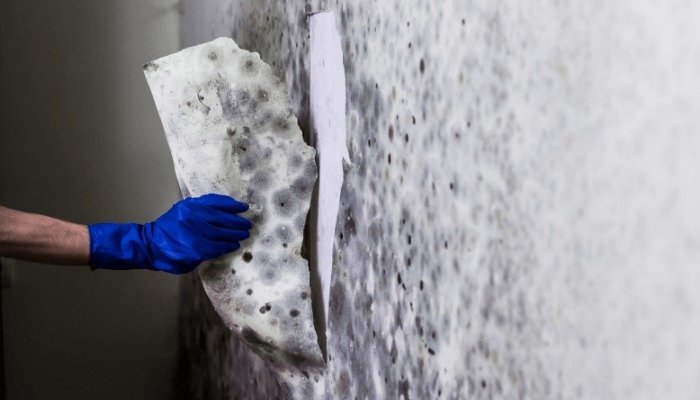
- Visible Mold: Green, black, or white patches on surfaces.
- Musty Odors: Persistent unpleasant smells in affected areas.
- Health Symptoms: Increased allergy symptoms or respiratory issues.
Expect the restoration process to involve:
- Assessment: Evaluation of the damage and planning for restoration.
- Water Removal: Extraction of standing water and moisture.
- Drying: Use of equipment to dry out affected areas.
- Cleaning and Sanitizing: Removal of contaminants and prevention of mold.
- Repair and Restoration: Restoration of damaged structures and contents.